
syrenolivar Logo

syrenolivar

Financial clarity for students

Budget Monitoring Through Real Financial Scenarios

We've spent years working with small businesses and families who struggled to track their spending. Our teaching approach isn't about theory—it's about showing you how to monitor your budget using methods that actually work in everyday life. No spreadsheets that sit empty after week one.

Explore Our Programs

How We Build Your Budget Monitoring Skills

Most people fail at budgeting because they start with complicated tools. We begin with simple awareness, then gradually add tracking methods that match your lifestyle. Each module builds on the previous one, so you're never overwhelmed.

1

Foundation: Where Money Actually Goes

Before you can monitor a budget, you need to understand your current patterns. We start with a two-week observation period where you simply notice spending without judgment.

  • Tracking methods that take under 5 minutes daily
  • Identifying blind spots in spending awareness
  • Creating categories that match your life
  • Understanding the difference between tracking and restricting
2

Setting Realistic Financial Boundaries

After you understand your patterns, we help you set boundaries that actually stick. This isn't about cutting everything you enjoy—it's about making conscious choices.

  • Creating spending limits based on real income
  • Building in flexibility for unexpected expenses
  • Distinguishing between needs and preferences
  • Adjusting plans when life circumstances change
3

Daily Monitoring Without the Stress

This module introduces simple check-in systems that become part of your routine. We cover both digital tools and paper methods, so you can choose what works for you.

  • Quick daily review techniques
  • Weekly reconciliation processes
  • Spotting problems before they become crises
  • Using alerts and reminders effectively
4

Handling Budget Variances

No budget survives perfectly. This module teaches you how to adjust when spending goes off track without abandoning the whole system.

  • Analyzing why overspending happened
  • Making mid-month adjustments
  • Recovering from financial setbacks
  • Planning for irregular expenses
5

Long-Term Budget Sustainability

The final module focuses on maintaining your monitoring habits over months and years. We address common reasons people quit and how to prevent them.

  • Quarterly budget reviews and adjustments
  • Adapting to life changes and income shifts
  • Teaching family members to participate
  • Building financial awareness that lasts
6

Advanced Tracking for Multiple Goals

Once basic monitoring becomes routine, we introduce techniques for managing multiple financial priorities simultaneously—saving for holidays while paying down debt, for example.

  • Allocating income across competing goals
  • Monitoring progress without constant calculation
  • Using sinking funds and separate accounts
  • Maintaining motivation over long timeframes

Different Paths to Better Budget Awareness

Our students come from varied backgrounds with different financial challenges. Some were drowning in debt, others just felt constantly anxious about money. Here's what happened after they learned practical monitoring methods.

Penelope Ashford reviewing financial documents Healthcare Administration

Penelope Ashford

Hospital Operations Coordinator

I had good income but somehow never had savings. Started tracking in February 2025 and within two months spotted that I was spending nearly $400 monthly on subscriptions I barely used. The monitoring methods were simple enough that I actually stuck with them.

After eight months of consistent tracking, she built an emergency fund and reduced monthly expenses by identifying unnecessary recurring charges.
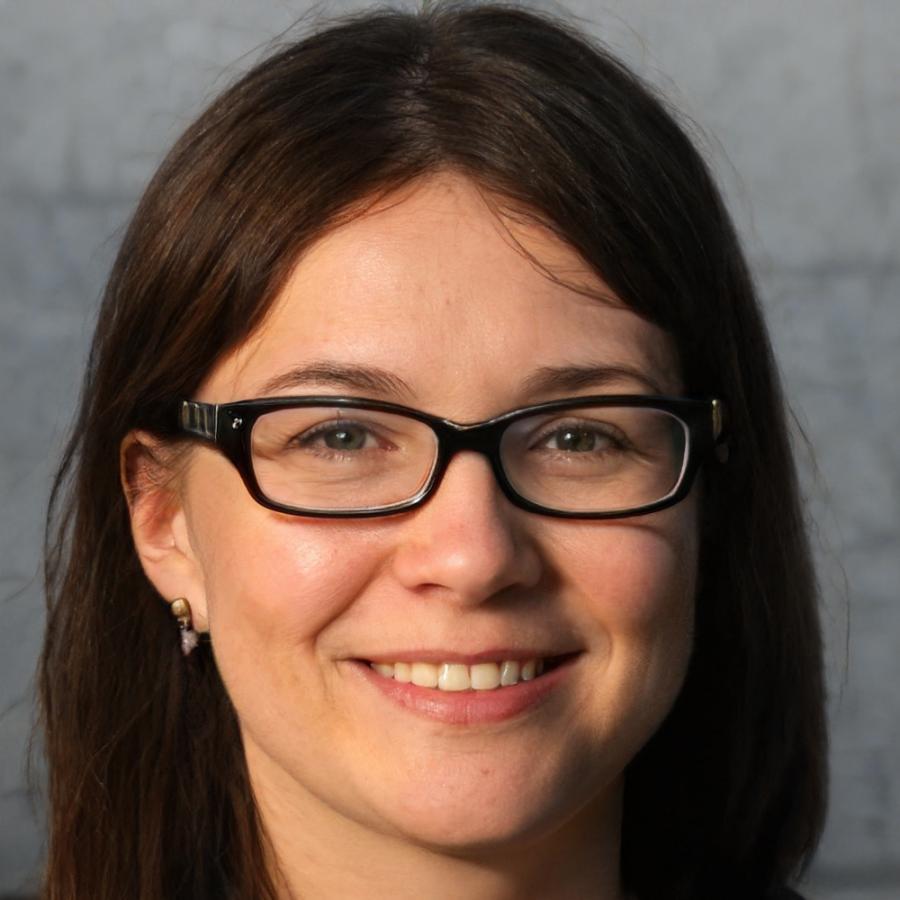
Isolde Whitmore working on budget planning Education

Isolde Whitmore

Primary School Teacher

Teaching salary meant every dollar mattered. Joined the program in March 2025 because previous budget attempts always failed by mid-month. The weekly check-in system made the difference—I could adjust before things spiraled.

She successfully managed irregular income from tutoring alongside her salary and saved enough for a professional development course she'd been postponing for years.

What You'll Learn Across Our Programs

We offer different program levels depending on your current situation and goals. This comparison shows which monitoring skills are covered in each option. All programs start in July 2026.

Budget Monitoring Skill Foundation Program Advanced Program Family Finance Program
Basic Expense Tracking Methods
Daily Review Routines
Weekly Budget Reconciliation
Managing Irregular Income Covered in household context
Multiple Savings Goals Tracking Basic single-goal approach
Debt Reduction Monitoring Simple payoff tracking
Investment Account Tracking
Household Budget Coordination
Child-Related Expense Tracking
Business Expense Separation
Quarterly Financial Reviews Annual only
Tax Preparation Tracking Basic categories only

Our Teaching Environment and Approach

Interactive budget monitoring workshop session

Small Group Sessions That Actually Help

We cap our groups at twelve people because budget monitoring needs personal attention. You'll work through your actual expenses, not hypothetical examples from a textbook.

Each session includes time to ask questions about your specific situation. Other participants often have similar challenges, so the group discussion usually helps everyone.

  • Bring your own financial data to work with during class
  • Get feedback on your tracking method from instructors
  • Learn from others managing similar financial situations
  • Practice using both digital and paper monitoring tools

Practical Tools You Can Use Immediately

Every technique we teach can be implemented the same day. We're not fans of complex systems that require hours to set up. If a method takes more than fifteen minutes to start using, we don't teach it.

You'll leave each session with specific actions to take before the next meeting. This isn't about accumulating knowledge—it's about building habits that stick.

  • Simple templates that work with any budget size
  • Quick-start guides for popular tracking apps
  • Paper-based systems for those who prefer tangible records
  • Weekly check-in frameworks that take under ten minutes
  • Problem-solving strategies when spending goes off track
Budget tracking tools and resources

Ready to Actually Understand Where Your Money Goes?

Our next program cycle begins in July 2026. Spaces are limited because we keep groups small enough for individual attention. If you're tired of budget systems that don't work in real life, this might help.

Foundation Program: July 8, 2026 | Advanced Program: July 15, 2026 | Family Finance: July 22, 2026